
Weight stigma in BIPOC communities is deeply shaped by history, culture, and the need for survival. While body ideals can carry meaning and pride, they may also create pressure, shame, or confusion—especially when they clash with external standards.
Understanding these complexities is an important step toward healing and reclaiming a relationship with your body that feels grounded and kind.
Understanding Cultural Views on Body Size
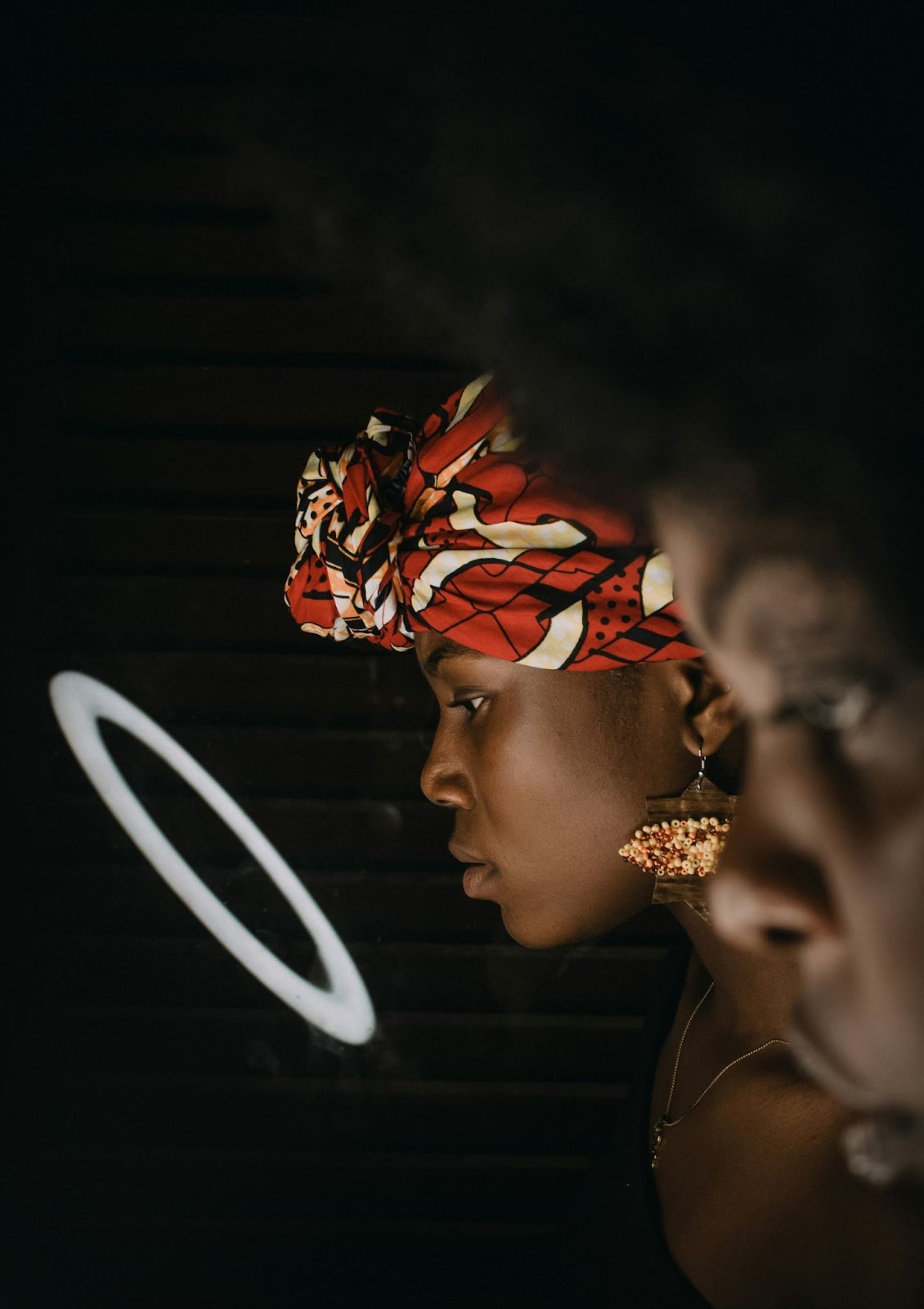
Ideas about weight and body shape begin early, influenced by family, culture, media, and personal experiences. For many BIPOC individuals, body size is tied not only to appearance but also to identity, belonging, and generational messages.
Body Ideals Passed Through Generations
In some cultures, a fuller body is associated with strength, nourishment, or care. Being encouraged to eat more or praised for looking “well-fed” can be a sign of love and cultural pride. In contrast, thinness may be seen as a symbol of hardship, illness, or lack.
These beliefs are often passed down with care and rooted in survival. In communities where food was once scarce, a larger body may have symbolized stability. But for younger generations growing up in different settings, these same messages can feel confusing—especially when they conflict with dominant beauty standards.
What was once a source of pride may start to feel like pressure, particularly when family and cultural beliefs about body image differ across generations.
The Impact of Western Beauty Standards
At the same time, many BIPOC individuals are exposed to narrow ideals that prioritize thin, white, and often unattainable bodies. These messages appear in media, schools, healthcare, and other public spaces.
This creates a painful conflict—trying to honor family and cultural expectations while also feeling pulled toward societal norms that rarely reflect your identity. The result is often body shame, disconnection, and a sense of never quite fitting in.
The Role of Racism and Colorism in Body Image
Body image is not only shaped by personal experiences. It is also influenced by systemic forces like racism and colorism, which affect how people see themselves and how they are treated by others.
Internalized Messages About Appearance
Lighter skin, straighter hair, and thinner bodies are often viewed as more acceptable. These messages may come through subtle comments or painful rejections, and over time, they can become internal beliefs about worth or beauty.
Harmful Experiences in Healthcare
Many BIPOC individuals report being overlooked or misjudged in medical settings. Concerns unrelated to weight may be dismissed, while weight is overemphasized or pathologized. These experiences can create mistrust and deepen shame.
Mixed Messages from Inside and Outside the Community
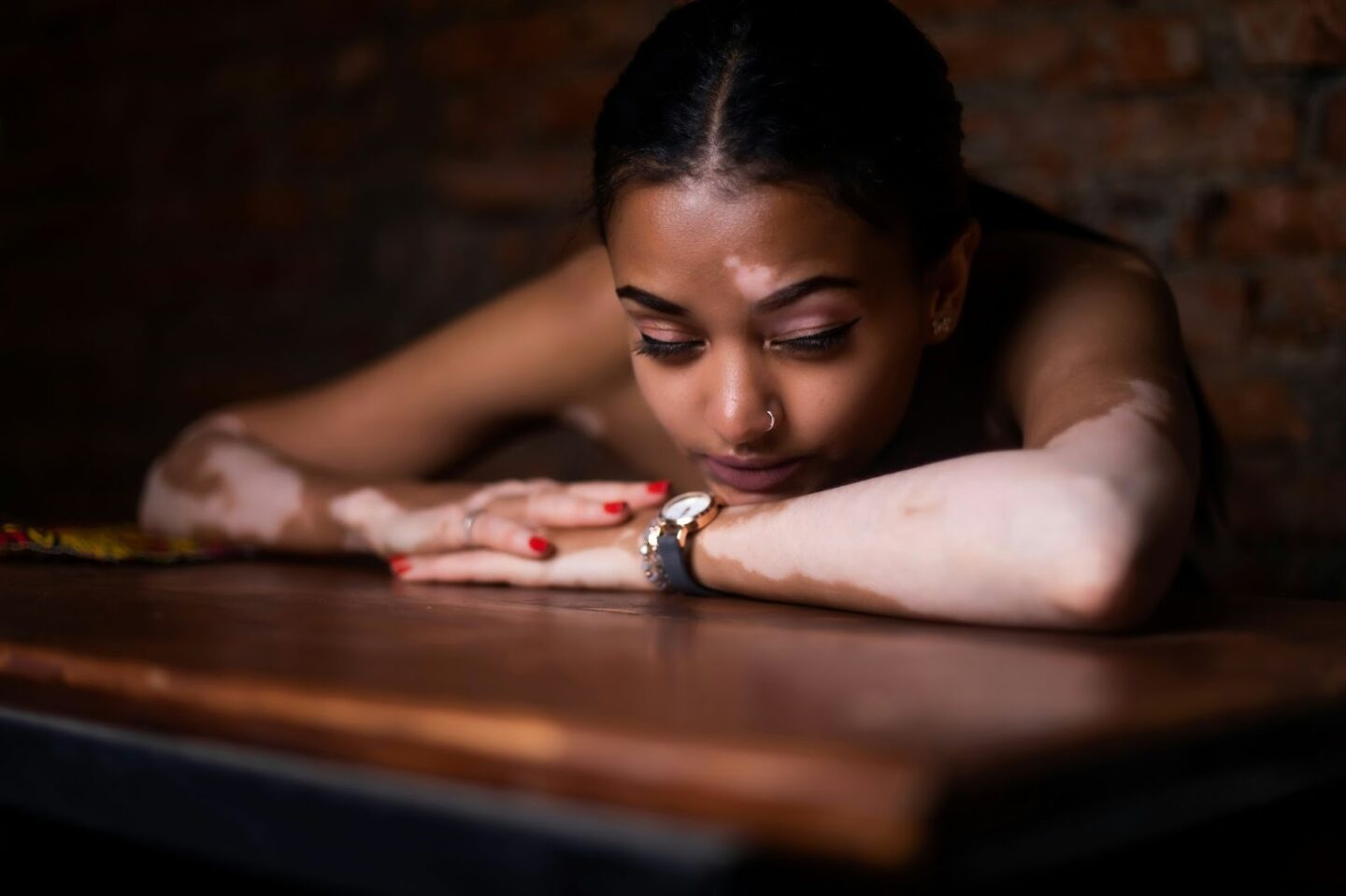
For many, body image is shaped by competing expectations. These mixed messages can cause confusion, frustration, and emotional strain.
Cultural Pride and Pressure to Conform
Some cultures celebrate curves, strength, or fullness. Others may emphasize thinness as a sign of control or success. When these beliefs compete, it can be hard to know which ones to follow or how to honor both.
Food, Family, and Expectations
Food is often central to culture and connection. Being encouraged to eat, finish meals, or accept food as a sign of love may clash with pressure to diet or control body size. The tension is not just about food—it’s about care, identity, and belonging.
Feeling Like Your Body Is Always Wrong
When different spaces require different versions of you, it can start to feel like no version is accepted. This may lead to self-doubt, comparison, or emotional exhaustion.
Mental Health and the Silence Around Body Shame
In many BIPOC communities, emotional struggles are kept private. While resilience is often valued, the silence around body image can lead to feelings of isolation.
Why Talking About Body Image Can Feel Unsafe
Bringing up body shame may be seen as disrespectful, sensitive, or unimportant. Phrases like “just be grateful” or “that’s not a real issue” can make it difficult to speak openly. This may cause people to hold their pain quietly, even when it affects their well-being.
There may also be fear of being misunderstood. Without safe spaces to talk, people may internalize shame or disconnect from their emotional needs.
How Shame Shows Up in Daily Life
Body shame is not always loud. It can appear in quiet choices—avoiding photos, wearing certain clothes, skipping meals, or pushing for perfection. These behaviors often go unspoken, yet they affect how people feel in their bodies every day.
The Cost of Always Being “Strong”
In many cultures, strength is essential. It may mean enduring pain, staying silent, or appearing unaffected. But this constant pressure to be strong can prevent healing.
It may lead people to ignore their needs, avoid rest, or dismiss their emotions. Over time, this can deepen shame and leave people feeling unsupported, even as they appear “fine” on the outside.
Creating Space for Healing and Representation
Healing body image in BIPOC communities often involves exploring new beliefs while honoring the past. It’s not about rejecting where you come from—it’s about choosing what supports your well-being.
Finding Safe and Culturally-Aware Support
Working with a therapist who understands how culture, race, and body image intersect can offer meaningful support. It’s easier to open up when you don’t need to explain your experience from the ground up.
Healing spaces should be respectful, inclusive, and attuned to culture. Support should not only be body-positive but also identity-affirming.
Choosing New Stories About Your Body
You have the right to define what your body means to you. This might involve questioning old beliefs, reclaiming your body as worthy, or choosing rest over control.
Seeing people who look like you share their stories of healing and body acceptance matters. It makes recovery feel more possible and less lonely.
Letting Go of Shame Passed Down
Sometimes the harshest messages come from loved ones. They may have passed down their own pain without realizing the impact. Letting go of this shame doesn’t mean rejecting them. It means deciding to stop carrying what no longer serves you.
You can honor your culture while choosing a more compassionate way to relate to your body.
Moving Toward Body Peace
Body shame is shaped by many layers—history, family, culture, and systems. For BIPOC individuals, healing often means holding pride and pain together while making space for something new.
You deserve support that honors your full story.
At Kindful Body, we offer culturally aware, weight-inclusive care to help you reconnect with your body on your own terms.
If you’re ready to feel more at peace in your body, schedule a free consultation or to learn more.