
The body positivity movement was created to challenge unrealistic beauty standards and promote self-love. While well-intentioned, it can sometimes feel out of reach, especially for those who struggle with body image, chronic conditions, or past trauma. The pressure to always embrace physical appearance can be exhausting, leaving some feeling disconnected or discouraged.
Body neutrality offers an alternative. Rather than focusing on loving how your body looks, it encourages appreciation for what your body does. This mindset shifts the conversation away from appearance and toward function, fostering a more balanced and accepting relationship with the body. By reducing pressure and making space for natural fluctuations in self-perception, body neutrality can be a powerful tool for long-term mental well-being.
The Limitations of Body Positivity
While body positivity promotes self-acceptance, it can still reinforce the idea that appearance is central to self-worth. This can make it difficult for those who don’t always feel positive about their bodies to engage with the concept.
Body Positivity Still Centers Physical Appearance
The idea behind body positivity is to replace negative self-talk with positive affirmations, but this still keeps the focus on looks. While some find this helpful, others may struggle with the expectation that they must always celebrate their appearance.
-
- Encourages self-love but continues to emphasize physical features.
-
- Can feel inaccessible to those who don’t feel comfortable in their bodies.
-
- May not resonate with individuals managing chronic conditions, disabilities, or body dysmorphia.
The Pressure to Always Feel Positive

One of the challenges of body positivity is the expectation that people must love their bodies all the time. For those experiencing body image struggles, this can feel overwhelming or even discouraging.
-
- Feeling neutral—or even disconnected from the body—is a normal experience.
-
- Constant positivity can feel forced or inauthentic.
-
- Those who struggle with body image may feel guilt or shame when they can’t meet the expectations of self-love.
Excludes Those Who Don’t Feel Positive About Their Bodies
For people dealing with medical conditions, trauma, or disabilities, body positivity may not feel accessible. It assumes that self-love is the goal for everyone, which can leave some feeling left out or misunderstood.
-
- Some bodies experience pain, discomfort, or changes that make body positivity difficult.
-
- People who don’t feel connected to their physical appearance may struggle with the message.
-
- When body positivity doesn’t “work,” it can lead to feelings of frustration or failure.
What Is Body Neutrality?
Body neutrality offers an alternative that removes the pressure to feel a certain way about appearance. Instead of focusing on loving how we look, it encourages appreciation for what the body can do. This approach allows for a more balanced and accepting relationship with the body.
Shifting the Focus from Appearance to Function
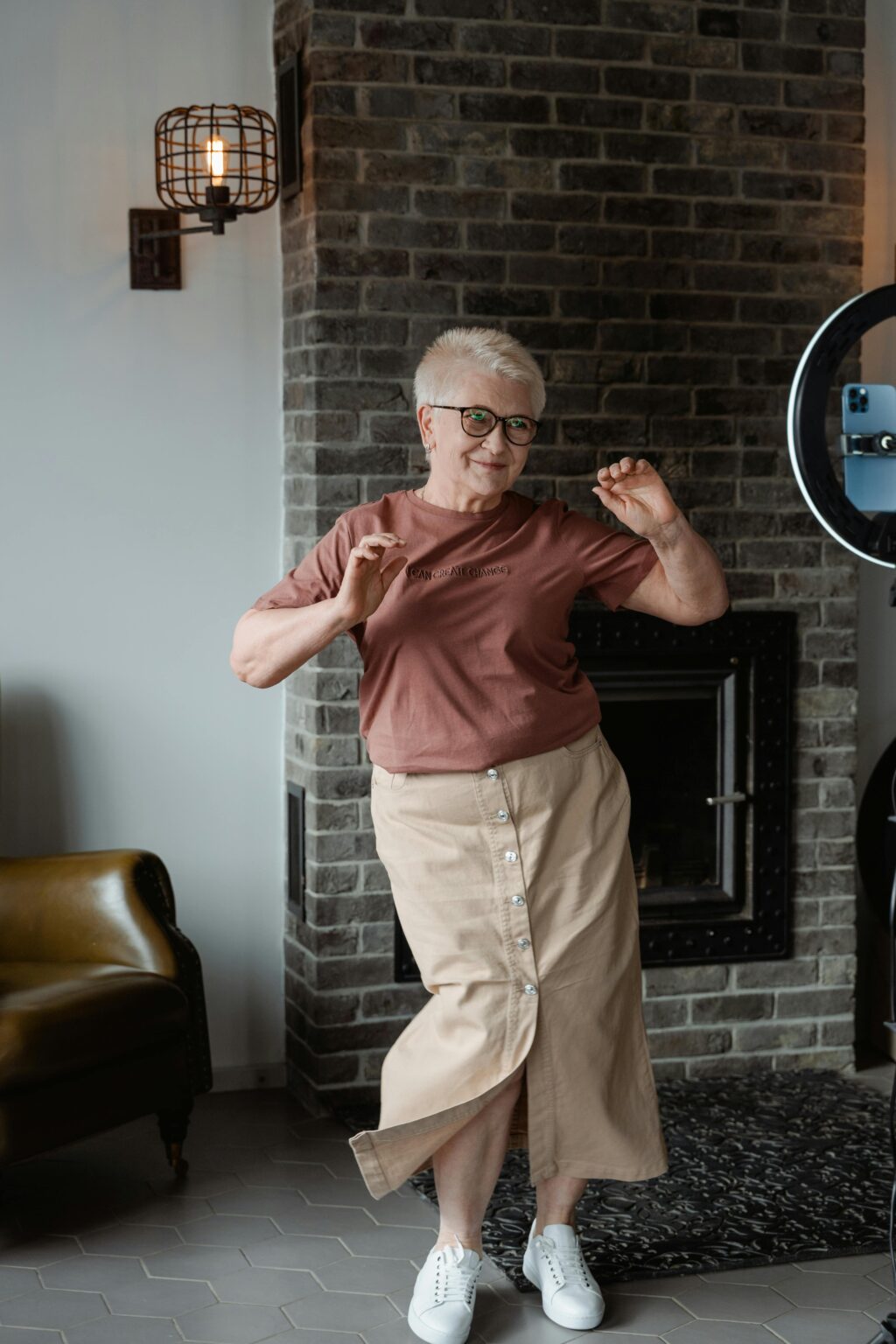
Rather than striving to love every part of how the body looks, body neutrality shifts attention toward what the body allows us to experience. This mindset fosters gratitude without needing to force positivity.
-
- The body allows movement, experiences, and connection with others.
-
- It promotes appreciation for strength, endurance, and function rather than shape or size.
-
- This shift can help break the cycle of self-judgment based on appearance alone.
Encouraging a More Balanced Perspective
With body neutrality, there’s no need to feel positive or negative about appearance at all times. This creates space for a more realistic and flexible self-view.
-
- Recognizes that body image fluctuates—and that’s okay.
-
- Removes the expectation to always feel good about appearance.
-
- Helps foster self-acceptance without forcing emotions.
Reducing Negative Self-Talk Without Forced Positivity
Instead of replacing negative thoughts with overly positive ones, body neutrality encourages neutral language. This can help reduce self-criticism while avoiding pressure to feel a certain way.
-
- Encourages statements like “My body allows me to move” rather than “I love my body.”
-
- Moves away from all-or-nothing thinking about beauty.
-
- Supports a more natural and compassionate way to relate to the body.
How Body Neutrality Supports Long-Term Mental Well-Being
Body neutrality takes the pressure off always feeling good about appearance. Rather than focusing on loving every part of the body, it fosters a healthier, more accepting mindset.
Encourages Self-Compassion Over Forced Positivity
Constantly pushing self-love can feel exhausting, especially when body image struggles run deep. Body neutrality shifts the focus to self-compassion rather than unrealistic expectations of positivity.
-
- Encourages self-acceptance rather than self-criticism.
-
- Builds resilience against unrealistic beauty standards.
-
- Acknowledges tough emotions without labeling them as failures.
Aligns with Mindfulness and Intuitive Eating
Tuning in to the body’s needs—rather than trying to control or change it—leads to a healthier relationship with food and movement. Mindfulness and intuitive eating both align with body neutrality by promoting respect for the body’s natural signals.
-
- Encourages eating for nourishment rather than guilt or restriction.
-
- Reduces the urge to follow diet trends that don’t support well-being.
-
- Helps create a more peaceful relationship with food and exercise.
Supports Individuals with Eating Disorders or Trauma
For those recovering from disordered eating or body-related trauma, body positivity can sometimes feel unattainable. Body neutrality offers a gentler way to reconnect with the body without pressure.
-
- Doesn’t demand immediate love or acceptance.
-
- Allows healing to happen at a comfortable pace.
-
- Helps break cycles of shame and fosters a more peaceful relationship with the body.
How to Practice Body Neutrality in Daily Life
Incorporating body neutrality into daily life doesn’t require major changes. Small shifts in thoughts, habits, and actions can make a meaningful difference.
Reframing Thoughts About Your Body

The way we talk to ourselves matters. Instead of using forced positive statements, body neutrality encourages a focus on what the body does rather than how it looks.
-
- Shift from “I love my body” to “My body allows me to live my life.”
-
- Practice statements like “My legs help me walk” instead of “I need to love my legs.”
-
- Recognize the body’s abilities without tying them to appearance.
Engaging in Activities That Prioritize Comfort and Functionality
Choosing clothing based on comfort rather than looks allows for a greater sense of ease. Similarly, movement can be approached in a way that brings joy rather than being used as a form of punishment.
-
- Wear clothes that feel good, rather than focusing on appearance.
-
- Move in ways that bring enjoyment instead of following rigid fitness expectations.
-
- Create routines that focus on well-being, not changing how the body looks.
Being Mindful of Media Consumption
The content we consume shapes self-perception. Filtering out unrealistic messages can make it easier to maintain a balanced perspective.
-
- Unfollow accounts that promote unattainable body standards.
-
- Follow creators who take a neutral, realistic approach to body image.
-
- Be intentional about media consumption to reinforce body neutrality.
Embracing Body Neutrality for a Healthier Mindset
Body neutrality offers a sustainable, less stressful way to relate to the body. It allows for natural ups and downs while fostering a healthier, more compassionate outlook. Instead of striving for constant positivity, this approach creates space for a more realistic, accepting, and ultimately more freeing relationship with the body.
Seeking Support on Your Journey
Developing a neutral and accepting relationship with your body can take time. If you’re looking for guidance, Kindful Body offers compassionate therapy and counseling for individuals struggling with body image, disordered eating, and self-acceptance.
Our team specializes in helping you build a healthier mindset with personalized, supportive care. Contact us today to schedule a free consultation and take the first step toward healing.